
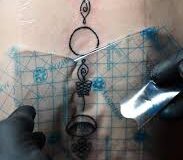
If you’ve recently gotten inked — or plan to — you might’ve heard your tattoo artist mention “Saniderm.” Once a niche option, it’s now quickly becoming standard in many tattoo studios. Because tattoos are essentially open wounds, proper aftercare is vital. Saniderm offers an alternative to traditional ointments, creams, and cling film that many artists are finding safer, simpler, and more effective.
What Is Saniderm?
Saniderm is a medical-grade, transparent adhesive bandage specifically engineered for tattoo healing. It’s breathable, waterproof, and flexible — designed to act as a “second skin” over fresh tattoos. Unlike ordinary cling wrap or petroleum-based ointments, Saniderm allows oxygen and water vapor to pass through while sealing out dirt, germs, friction, and other irritants. Saniderm Knowledge Base+2Saniderm Knowledge Base+2
Because of this design, Saniderm preserves the body’s natural healing fluids — plasma and other healing enzymes — that would otherwise evaporate or be disturbed. This preserved micro-environment supports more efficient skin regeneration. Saniderm Knowledge Base+1
Why Tattoo Artists Like It
• Less Scabbing, More Even Healing
Traditional aftercare often involves frequent washing and moisturization to prevent scabbing. But scabbing itself can be a problem: when tough scabs form, they can pull at the skin, disrupt ink particles, create uneven healing, and even cause ink to fade or blur. Saniderm Knowledge Base+2besttattoohub+2
By contrast — when applied and used correctly — Saniderm keeps the wound moist and sealed. This minimizes scab formation, reduces peeling, and results in smoother, more even healing. Saniderm Knowledge Base+2KingAfa.com+2
• Barrier Against Infection & External Irritants
A fresh tattoo is vulnerable: exposed skin can easily be irritated by friction (clothes, bedding), dust, germs, or pet hair. Saniderm acts as a clean, sterile barrier — shielding the tattoo from contaminants and friction. That’s a major reason many artists trust it over more traditional aftercare. NewLIfe Tattoos+2Saniderm Knowledge Base+2
• More Convenient & Lower Maintenance
Instead of washing your tattoo multiple times a day, applying ointment, worrying about messes — with Saniderm you can let it stay on. Many artists recommend leaving the first bandage on for about 8–24 hours, then removing and washing and reapplying a second bandage that stays on for several days (often 3–6 days depending on healing). Saniderm Knowledge Base+2Saniderm Knowledge Base+2
This “set it and forget it” approach is especially appealing to clients with busy lifestyles, active jobs, or children — folks who might struggle with time-consuming aftercare routines.
• Better Color Retention and Crisp Lines
Because Saniderm reduces scabbing, peeling, and early skin trauma to the tattooed area, many artists and clients report that tattoos healed under Saniderm stay more vibrant, with sharper linework and richer pigment than tattoos healed with older methods. Saniderm Knowledge Base+2tattoomachinegirl+2
What the Process Looks Like
- Right after tattoo session — Artist washes and disinfects the tattoo, gently pats it dry, and applies the first Saniderm bandage (cut a bit larger than the artwork). This first piece usually stays on 8–24 hours. Saniderm Knowledge Base+1
- First removal and clean-up — After ~24 hours (or sooner if there’s excessive fluid), remove the first bandage under warm running water, gently wash with a mild, fragrance-free soap, pat dry with a clean paper towel, let air dry, then apply the second Saniderm piece. Saniderm Knowledge Base+2Saniderm Knowledge Base+2
- Extended healing with second bandage — The second bandage stays on for several days (commonly 3–6 days), protecting the tattoo while the skin regenerates underneath. Saniderm Knowledge Base+2Aloha Tattoos+2
- After Saniderm comes off — Once you remove the final bandage, continue gently washing the tattoo once a day and applying a thin, fragrance-free lotion or aftercare balm (ideally one designed for tattoos). This supports the final healing and helps keep colors vibrant. Saniderm Knowledge Base+2Saniderm Knowledge Base+2
Things to Know / Potential Considerations
- Because Saniderm traps moisture and creates a sealed environment, it’s very important to use it properly. If the bandage peels at the edges, becomes loose, or if there is excessive fluid build-up, you may need to remove or replace it sooner. Saniderm Knowledge Base+1
- While Saniderm is designed to be breathable, over-moisturizing with petroleum-based creams (or thick ointments) under the bandage can suffocate the healing skin and harm ink retention. That’s why many artists recommend using only a very thin layer of aftercare balm if any, before re-applying Saniderm. Saniderm Knowledge Base+2Saniderm Knowledge Base+2
- It is also typically advised to avoid soaking the tattoo — so, no baths, swimming, or hot tubs — until it’s fully healed, even if the bandage itself is waterproof. Showers are generally okay. Saniderm Knowledge Base+1
Why It’s Becoming the New Standard
In short: Saniderm simplifies — and optimizes — the healing process. Instead of a demanding routine of frequent cleaning + moisturizing + careful exposure, tattoos heal under a protective, breathable, sterile film. That means fewer opportunities for infection, less scabbing, and often better final results (color vibrancy, sharper detail, smooth skin).
For tattoo artists, recommending Saniderm reduces complications, after-session aftercare confusion, and returns for touch-ups due to poor healing. For clients, it means convenience, reliability, and lower risk. As a result, more artists now consider Saniderm (or similar “second skin” products) standard — not optional — in their aftercare protocols.
Final Thoughts
Getting a tattoo is an investment — in time, money, and skin. Healing correctly is just as important as the tattoo session itself. Saniderm offers a modern, medically inspired method to protect, preserve, and enhance your new artwork — simplifying aftercare without compromising healing quality. If your artist offers Saniderm, it’s worth giving it a try. If you choose to go this route, just be sure to follow the process carefully: keep the tattoo clean, properly timed with bandage changes, and end with quality aftercare lotion once the film comes off.