
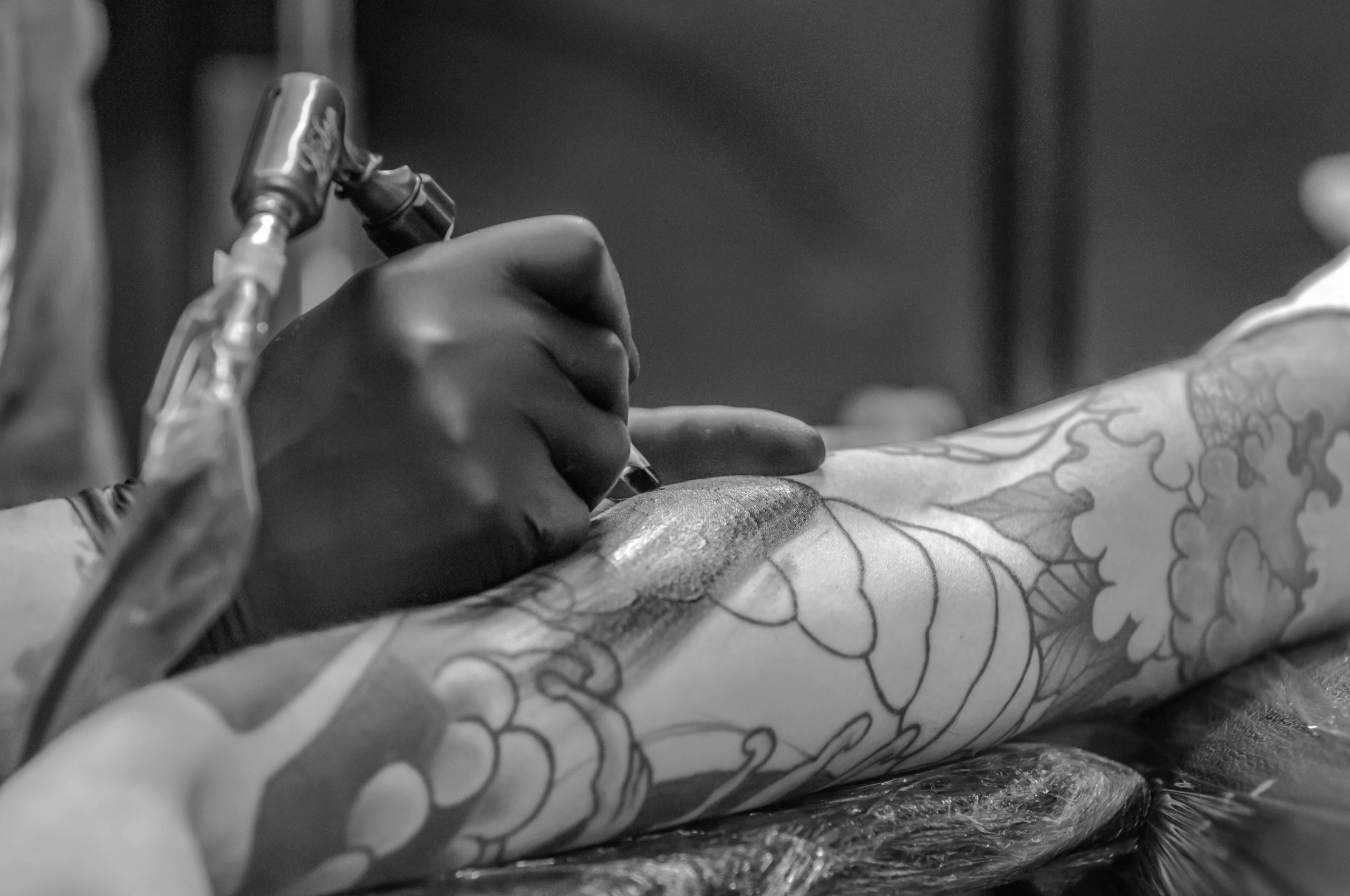
Tattoos have been a part of human culture for thousands of years. Far from being a modern fad, the practice of marking skin with ink has deep historical, cultural, and personal significance. Today, tattoos are celebrated as a form of self-expression, artistry, and storytelling. To fully appreciate their place in modern culture, it’s fascinating to explore the history of tattoos and how they evolved over time.
Ancient Origins of Tattooing
The earliest evidence of tattooing dates back over 5,000 years. Ötzi the Iceman, a naturally mummified man discovered in the Alps and dated to around 3,300 BCE, had more than 60 tattoos on his body. Researchers believe these tattoos may have had therapeutic or ritualistic purposes, possibly serving as early forms of pain relief or acupuncture.
Across the globe, ancient civilizations used tattoos for different reasons. In Egypt, tattoos were discovered on mummies, often associated with fertility, protection, and status. In Polynesia, tattooing (known as tatau) was a deeply spiritual and cultural practice, indicating rank, family lineage, and personal achievements. The art was so integral that the word “tattoo” in English derives from the Tahitian word tatau.
In Japan, tattoos have been documented since at least 5,000 BCE, initially as decorative body markings and later evolving into the intricate irezumi, which carried both social and symbolic meaning. In Native American cultures, tattoos often represented accomplishments, tribal identity, or spiritual protection.
Tattoos in History: Stigma and Status
While tattoos have been symbols of spirituality, beauty, and status, they’ve also been associated with criminality and rebellion. In ancient Rome, slaves and criminals were often tattooed as a form of punishment or identification. Similarly, in feudal Japan, tattoos sometimes marked criminals, though over time, they evolved into elaborate works of art among certain communities.
In Europe, tattoos largely disappeared for centuries due to religious and cultural stigmas. It wasn’t until the Age of Exploration in the 18th century that European sailors encountered tattooed Polynesians and brought the practice back home. Sailors adopted tattoos as symbols of adventure, achievements, and protection. Common motifs included anchors, swallows, and nautical stars, many of which remain popular today.
The Rise of Modern Tattoos
The invention of the electric tattoo machine in 1891 by Samuel O’Reilly revolutionized tattooing. This invention made the process faster, more precise, and more accessible to the general public. Tattoos began to spread beyond sailors and the working class, slowly entering mainstream culture in the 20th century.
During the early 1900s, tattoos were often associated with circus performers, sideshow attractions, and outlaws. However, they also became expressions of patriotism, identity, and personal stories. Sailors would get tattoos to commemorate travels, battles, or loved ones, while soldiers in both World Wars embraced tattoos as symbols of courage, camaraderie, and memory.
Tattoos as Cultural Expression
Across the globe, tattoos have long been a form of cultural storytelling. Polynesian tribal tattoos, for instance, are highly intricate and specific to an individual’s family, tribe, and achievements. Each pattern carries meaning, from social status to spiritual protection. Japanese irezumi tells epic tales from folklore, with dragons, koi fish, and samurai representing bravery, wisdom, and perseverance.
Even within Western cultures, tattoos can convey personal narratives. Portrait tattoos honor loved ones, script tattoos capture meaningful quotes, and symbolic tattoos reflect a person’s journey, beliefs, or values. Modern tattooing is a blend of artistry and identity — every tattoo carries a story unique to the wearer.
Health, Safety, and Tattoo Healing
While the artistry of tattoos has long been celebrated, the understanding of health and safety in tattooing has evolved dramatically. Ancient tattoo methods, using bones, thorns, or sharpened sticks, carried a risk of infection. Modern tattooing practices are highly regulated, using sterile equipment, professional inks, and proper hygiene standards.
Tattoo healing is also an essential part of the process. Today, products like Saniderm and other protective films help tattoos heal faster, reduce scabbing, and maintain vibrant colors. Proper aftercare, including cleaning, moisturizing, and avoiding sun exposure, ensures that tattoos remain beautiful for decades.
Tattoos Today: Art, Identity, and Empowerment
In the 21st century, tattoos have moved firmly into mainstream culture. Celebrities, influencers, and everyday individuals embrace tattoos as powerful tools of self-expression. Tattoo studios now cater to clients seeking both traditional designs and cutting-edge custom artwork. The artistry is recognized in galleries, social media, and conventions worldwide.
Modern tattooing is not just about decoration; it’s also about empowerment. Many people use tattoos to reclaim their bodies, commemorate significant life events, or honor personal journeys. Tattoos can serve as visual reminders of resilience, identity, and growth, reflecting an individual’s story in a way that words sometimes cannot.
The Lasting Impact of Tattoos
The history of tattoos reveals a universal truth: tattoos are more than skin-deep. They are cultural artifacts, personal narratives, and works of art. From the ritualistic marks of ancient civilizations to the modern tattoos we see today, this form of expression has adapted, endured, and flourished across centuries.
Whether for spiritual, cultural, or aesthetic reasons, tattoos continue to bridge generations, telling stories through ink and skin. They honor heritage, celebrate individuality, and empower people to wear their identity proudly. As we move forward, tattoos will undoubtedly remain a vibrant, evolving part of human expression, merging tradition with contemporary creativity.